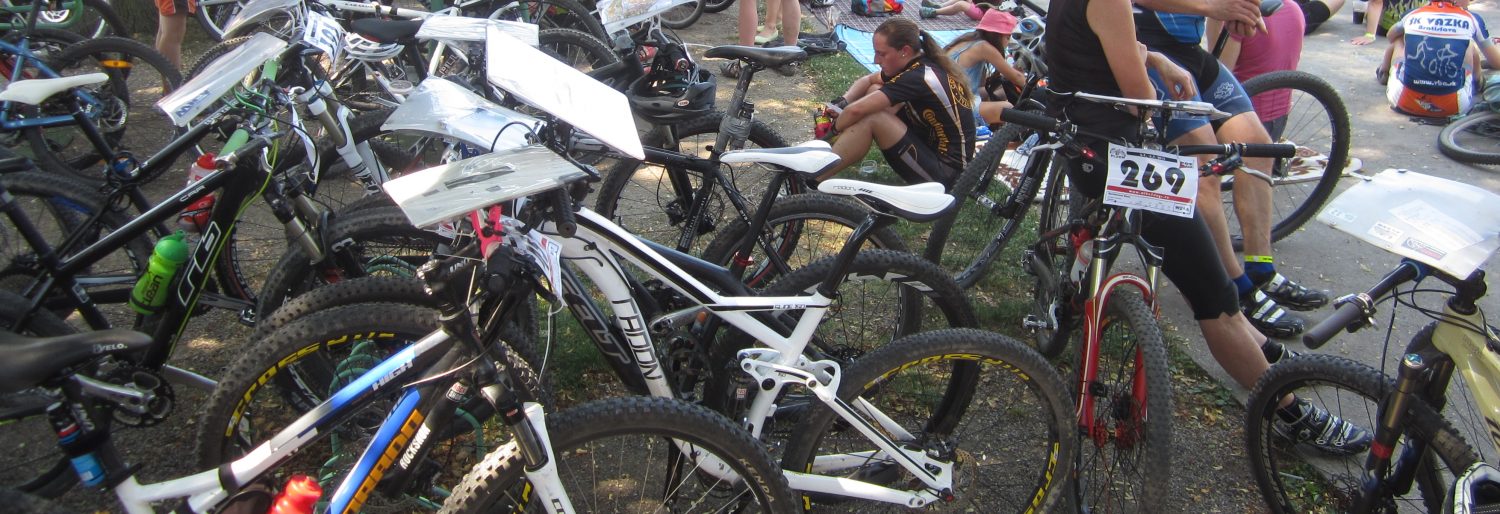
An earlier start tan usual to beat the crowds. About. 1 hour drive from Bamaga with the last 15 km or so very rough and narrow. The jungle is encroaching on the road and we had to brush past branches and the vines rattled on the roof. Will the solar panels on top survive? The parking area is near the beach. The tide was going out and occupied by trail. Ike’s by the time we got back. Did I mention a couple of days ago that trail bike tourism is a definite thing up here? The operators have a trailer for the bikes and a bus thing for the riders in between highlights.
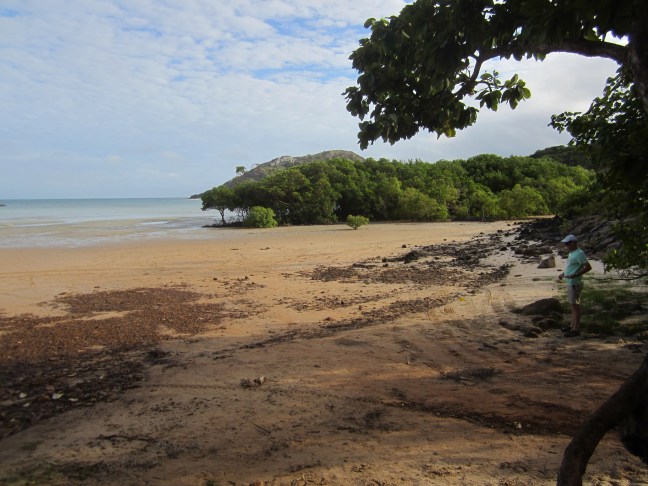
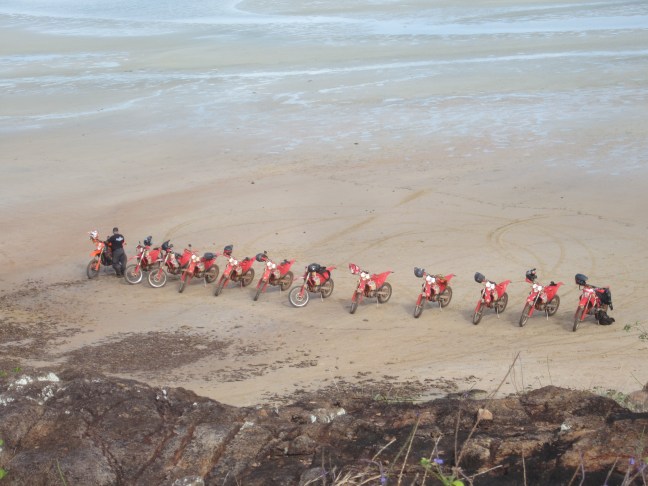
and the bikers in full gear and tall boots headed up as we came down!
So we headed off. Probably a bit less than 1 km walk but took about 25 minutes. Not a difficult walk but sort of rocky-rough rock platforms. Up a bit then down.
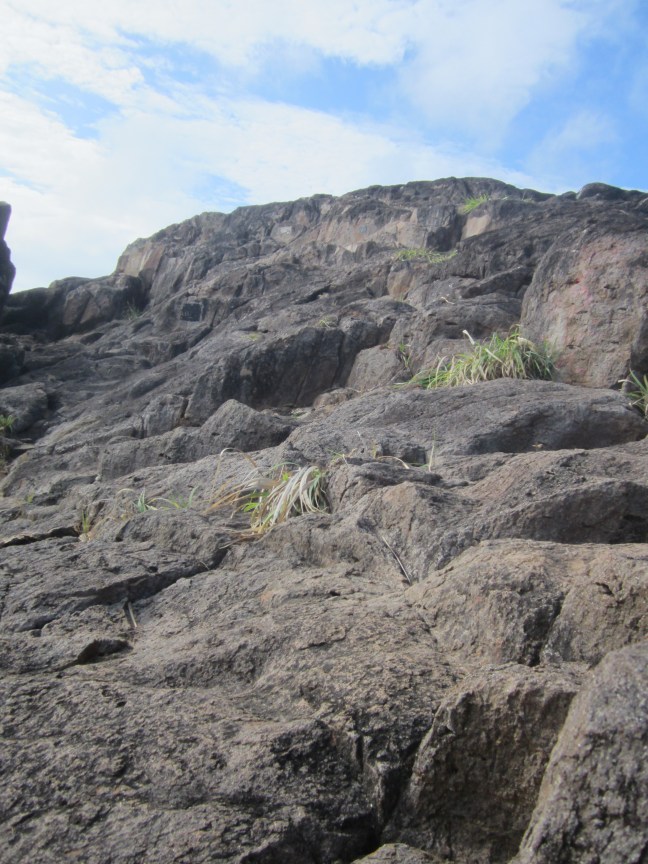
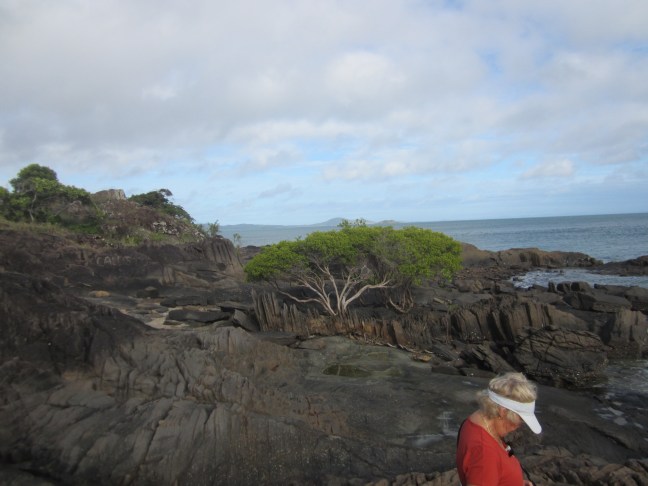
When we started out, this is what we could see. We imagined that the Tip must be over that hill ahead.
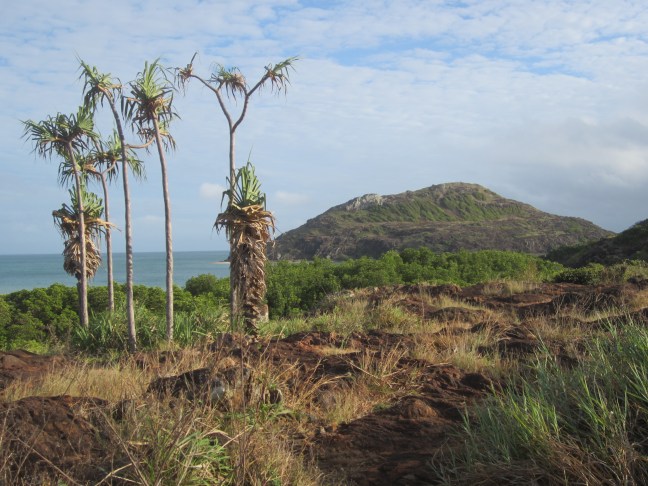
But no. That is York Island which is the westerly of the two islands off the Tip.
I had envisaged we would arrive at a cliff top as our destination. But the end is actually down by the water. The previous sign has recently been replaced. (It had bullet holes ) So I got there (indeed we all get there despite one sprained ankle on the way in, and one with ankle surgery not long ago – she saved herself for this day and had some help from the staff. You don’t often see me in a blog photo. Usually it’s my bicycle leaning against something to prove I got there.
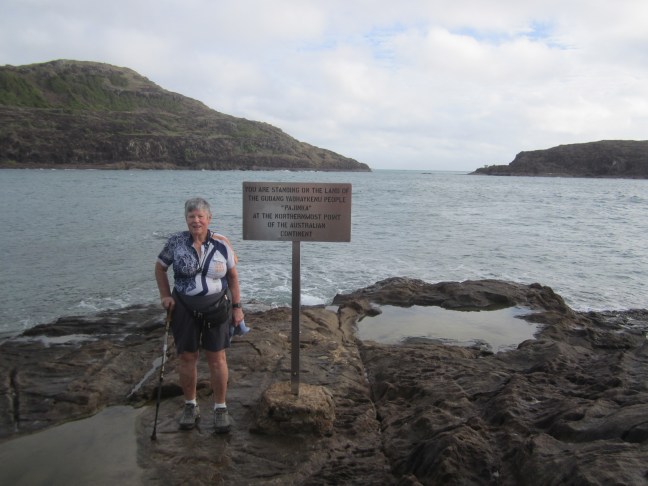
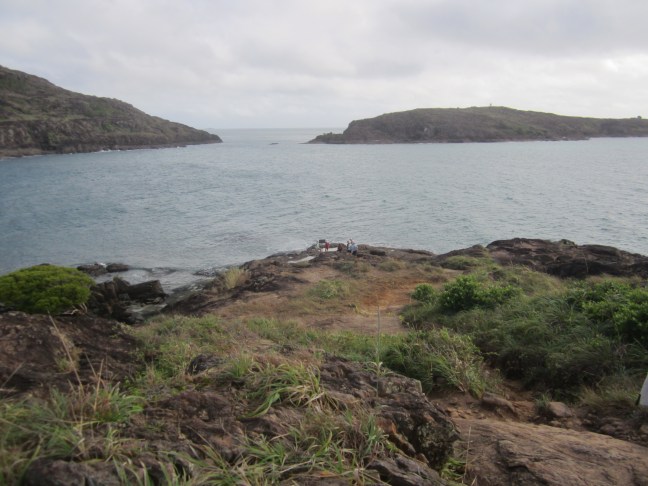
That’s York Island on the left and Eborac Island on the right with a navigation beacon on the top.
So then we went looking for history. Retraced our route about 12 km – with increasingly difficulty as we met oncoming vehicles on the narrow track – and then headed roughly east. The top of Cape York is roughly an E-W line with points at the eastern and western extremity, but in the middle is a point heading north: the Tip. So heading east took us to Fly Point with Albany Island paralleling the coast for several km to the north. Strong currents flow through Albany Passage and this stretch of coast had a lot of shipwrecks in the latter part of the 19th century. As activity in the north increased with the discovery of gold in the Palmer River area, the government decided that they needed official presence on the Cape.
John Jardine was appointed the first police magistrate and Commissioner of Crown Lands and took up residence in 1864 in this area. On the flat at Somerset Bay, facing across to Albany Island, and extending up the hill to the SE. At one stage there was quite a settlement here with a small military detachment. John J was only here a couple of years. (He was aged 57 when he arrived. ) his sons Frank and Alexander drove a herd of cattle up from Rockhampton and started a cattle property. Frank stayed on, and eventually got into pearling.
Down near the bay there are a number of graves including a couple of Japanese pearl divers. Frank married a Samoan princess and both Frank and Santa are buried here (Frank died of Leprosy in 1919).
Earlier, in 1848, Edmund Kennedy’s attempt to reach the tip failed. Kennedy and his aboriginal guide Jackey Jackey made a push to the end, but Kennedy died and only Jackey Jackey arrived in this area to meet the rendezvous ship.
Plaques and graves all over the place.
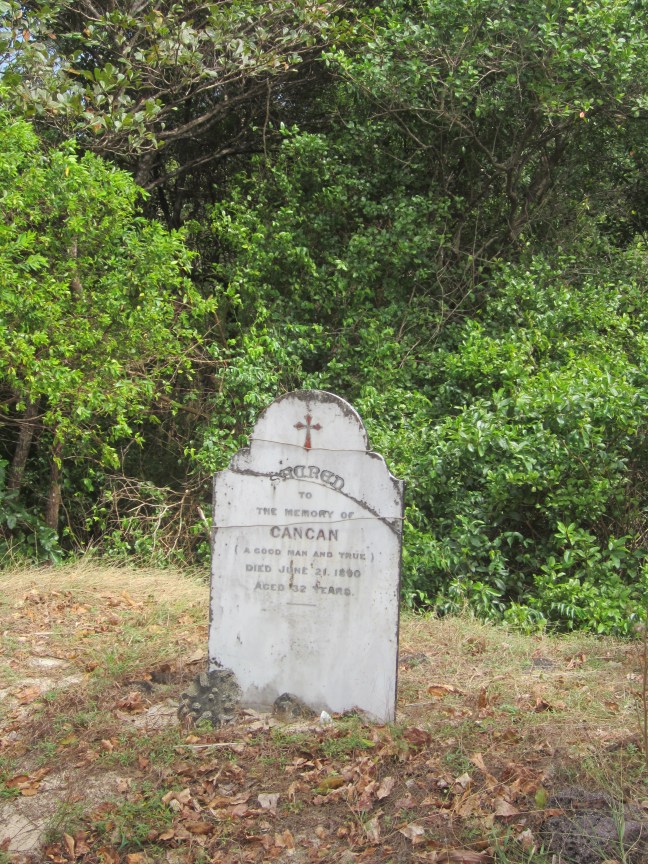


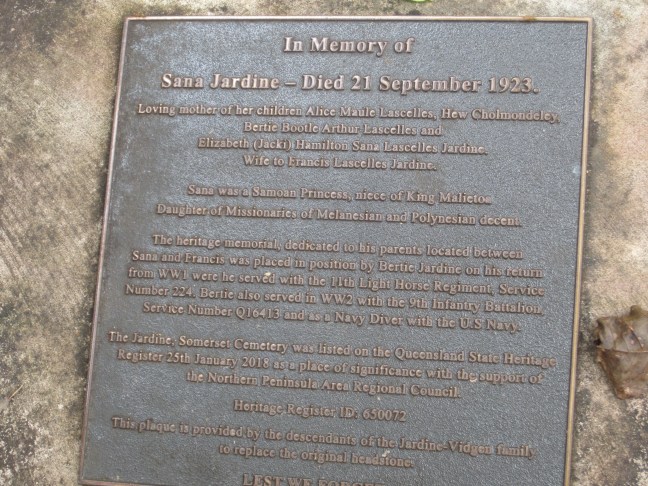
a few questions from previous comments:
Plan B for the Jardine R crossing: one previous trip they got a helicopter to ferry the group across. Presumably organised separate bus transport for the final days on the mainland.
the ingenuity of bus drivers: our driver an bus got back to Cairns with some further delay: more fuel leakage was plugged with the final barrier, two foot thongs tightly tied onto the fuel drum blocking the hole! It went in for repairs at the dealer in Cairns on Sunday afternoon. The new group is being taken to Port Douglas on a replacement coach, with the regular coach and driver expected to take over on Monday night.
And birds? Lots at Lotusbird Lodge. A great dawn chorus. Lots of water birds: egrets, jabiru, magpie geese. At Moreton Telegraph Station late afternoon there was a non-common appearance of a palm parrot (at least I think that’s what they said). Great colouring and very raucous and distinctive call. But too far away to get a photo and didn’t appear the next afternoon.
 travellingkathy
congrats on making it to the top!
LikeLike